 Image 1 of 2
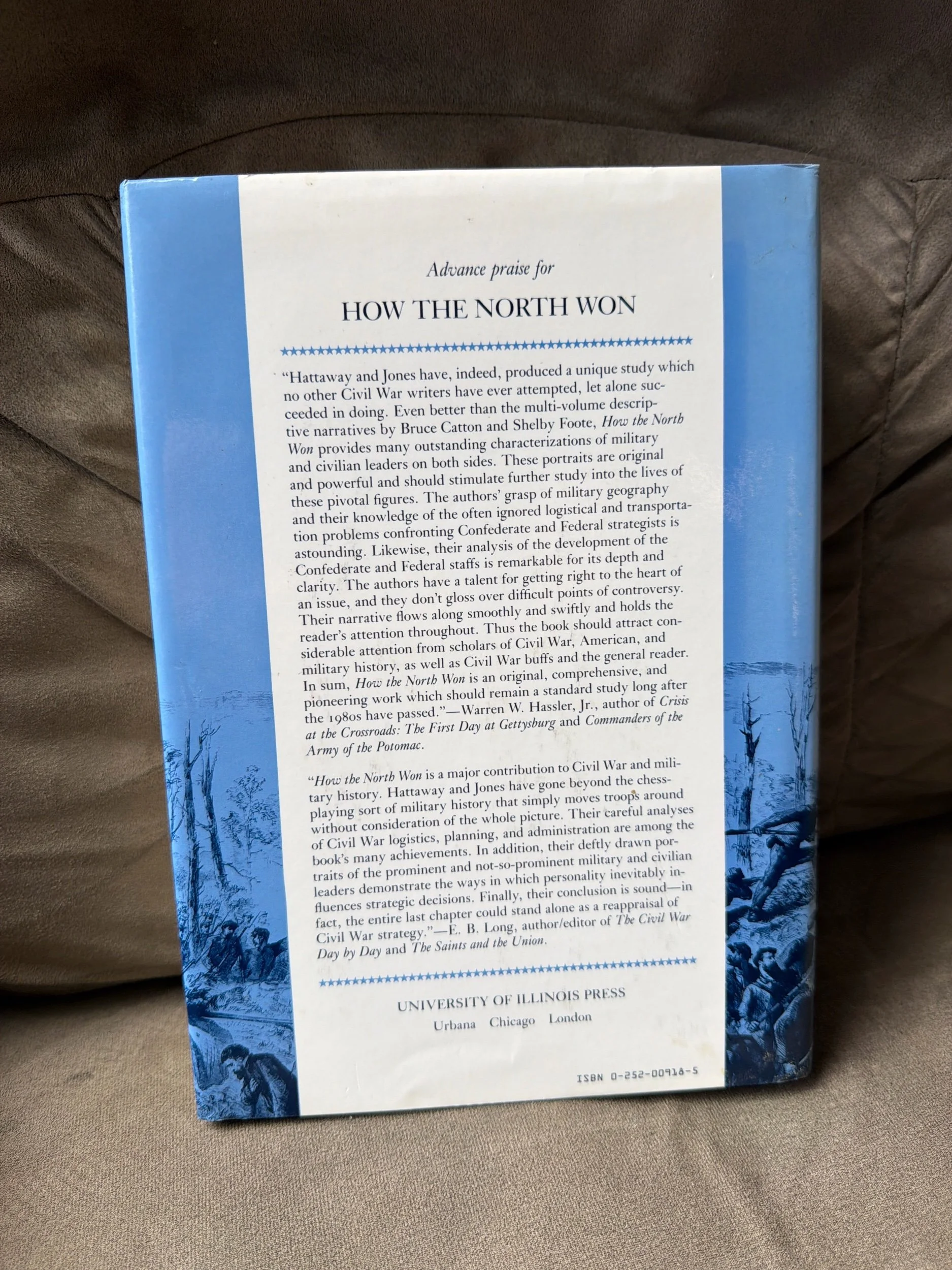 Image 2 of 2
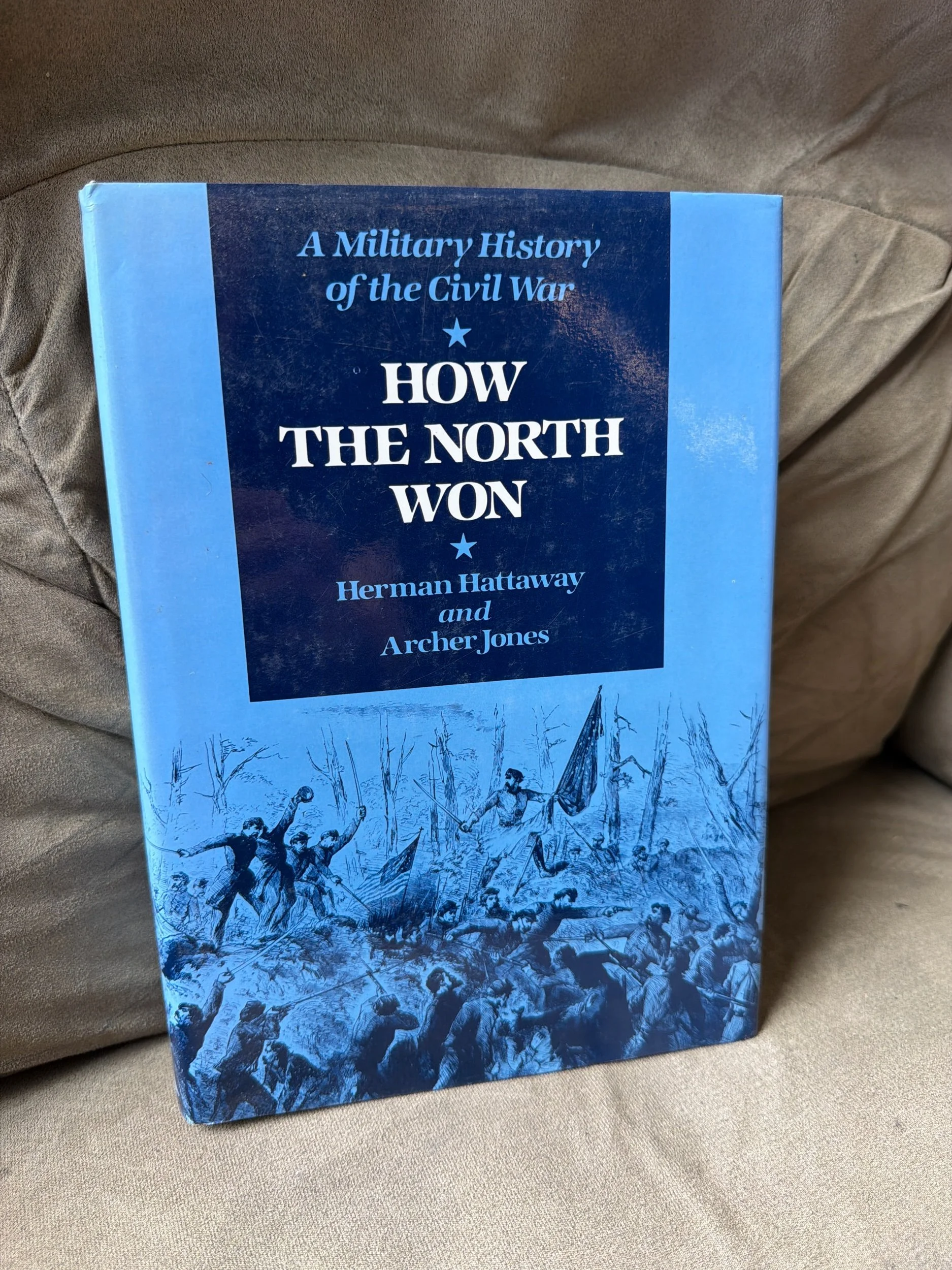
An epic narrative as well as an analytical military history, How the North Won builds upon and challenges many well known works in Civil War history, beginning with T. Harry Williams's Lincoln and His Generals. Forgoing the all too familiar drum-and-bugle battle scenes, Hattaway and Jones give us the most comprehensive and coherent look yet at the essential factors which shaped the battles and ultimately determined the outcome of the war: strategy and tactics; the logistics of communications, transportation, and supply; the availability and allocation of resources; the organization and competence of the military and civilian supporting staffs; the influence of operations in different theaters on each other; and the manner in which commanders used, adapted, or ignored the "maxims of war."
Going well beyond the acknowledged influence on Civil War generals of West Point training, Mexican War experiences, and lessons gleaned from European wars, Hattaway and Jones present major new interpretations of the leadership and strategies of both sides. They offer for the first time a full explanation for the superiority of the Union's command system, tracing its origins to Stanton's War Board. Revising previous estimates of Lincoln's relations with the mili-tary, the authors show that despite some disagreement Lincoln and his generals all understood the logistical dilemmas confronting their efforts and were in basic agreement as to the strategies required for victory. In addition, they provide a significant reappraisal of Grant.
They show that Grant's much maligned campaign against Lee in Virginia was largely predetermined by political concerns and a demanding public and that it was primarily Grant himself who devised the "strategy of exhaus-tion" that caused the Confederacy's defeat.
Finally, Hattaway and Jones give us the fairest assessment yet of Lee. Their well-argued analysis depicts Lee as the master of a defensive system which sought to avoid battles and shows that his two "invasions" of the North were merely raids with strictly defensive objectives.
Profusely illustrated with more than 200 map diagrams, detailing long-range strategies as well as individual battle tactics, How the North Won is required reading for all students and scholars of the Civil War and for anyone interested in American history, military history, or strategic theory and practice.