 Image 1 of 2
 Image 2 of 2
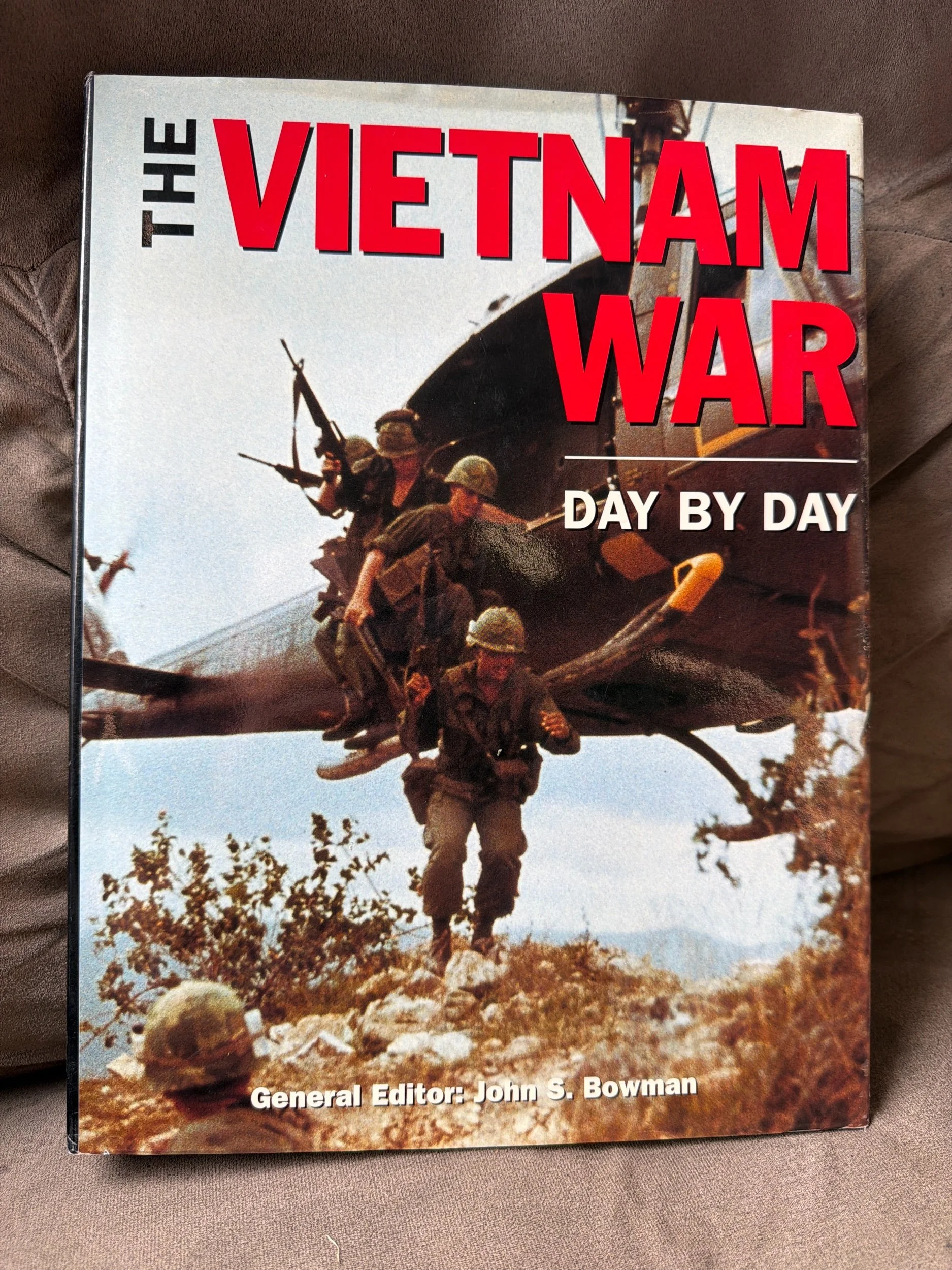
The Vietnam War was one of the longest, bitterest and most complex wars of the twentieth century. It began in 1945 as a localized nationalist revolt against French colonial rule in Indochina. It evolved, after the French had been expelled, into an implacable civil war between North and South. And before it reached its climax in 1975 it had become an international conflict that both threatened global peace and produced many grievous ancillary political con-sequences—most notably in the United States, but also in Western Europe and even in the Communist world.
The Vietnam War: Day by Day is a detailed chronological account of this "Thirty Years War" of the twentieth century. It traces the history of the war from its earliest nineteenth-century origins to its gloomy aftermath in the 1980s.
In so doing, it not only illuminates the interplay of policies, personalities, motives and strategies that shaped the war, but also the web of diplo-matic, political, social and ethical conflicts to which it gave rise and which, in the end, had such an important bearing on its outcome. It reveals, too, the many apparent paradoxes of this strange war, paradoxes that political and military historians will ponder for years to come: how, for example, high-technology warfare foundered in conditions of primitive guerilla, or how the United States lost the war psychologically at the very moment of the U.S. Forces' greatest military success.